Day 1 – Arrival/ICN/Seoul
- Arrival at ICN Airport & Meet and greet by English speaking
- Transfer to SEOUL with 2 Separate Mini Van (Max 4pax) / 19:00 Dinner (Vegan Kitchen)
- 3pm Check-in the hotel & Overnight in Seoul
Day 2 – Seoul
Breakfast At Hotel
Gyongbok Palace & Gwanghwamun Square With Hanbok Wearing: Built In 1395, Gyeongbokgung Palace Is Also Commonly Referred To As The “Northern Palace” Because It Is Located More Toward The North, Compared To The Neighboring Palaces Of Changdeokgung (Eastern Palace) And Gyeongheegung (Western Palace). Gyeongbokgung Palace Is Arguably The Most Beautiful And Remains The Grandest Of All The Five Palaces.
Bukchon Hanok Village: Surrounded By Gyeongbokgung Palace, Changdeokgung Palace And Jongmyo Shrine, Bukchon Hanok Village Is Home To Hundreds Of Traditional Houses Called ‘hanok’ That Date Back To The Joseon Dynasty. The Name, ‘bukchon,’ Which Literally Translates To ‘northern Village,’ Came About As The Neighborhoods That The Village Covers Lie To The North Of The Two Significant Seoul Landmarks, Cheonggyecheon Stream And Jongno. Today, Many Of These Hanoks Operate As Cultural Centers, Guesthouses, Restaurants And Tea Houses, Providing An Opportunity To Experience, Learn And Immerse In Korean Traditional Culture.
Lunch (Osegyehang)
Insadong: Because It Is The Largest Market Of Traditional Korean Art And Products, Insadong Is The Ideal Place For Visitors Who Want To Experience The True Character Of Korea With Its Subtle, Enduring Beauty. Once You Are In Insadong, You Will Immediately Be Drawn To The Small Alleys Lined With Numerous Shops And Galleries, Both Tiny And Spacious: Antique Shops, Korean Stationery Stores, Frame Shops, Handicraft Shops, Pottery And Porcelain Shops, Bookstores And Painting Studios, And Art Supply Stores. In Addition, Restaurants And Cafes Serve Traditional Food And Teas. The Insadong Festival, Held Every October, Showcases Pungmulnori, Or Folk Musical Instrumental Performances, And Features A Food Court Serving Local Cuisine From Regions All Across The Country
Jogyesa Temple: As The Main Temple As Well As The District Head Temple Of Jogye Order In Seoul, Jogyesa Temple Is The Center Of Korean Buddhism. The Temple Was Built In The Late 14Th Century During The Goryeo Period And Was Once Turned Into Ashes Due To Fire And Was Rebuilt Under The Name Of Gackhwangsa Temple In 1910 With The Effort Of Many Respectful Monks, Namely Han Yong-un And Lee Hee-gwang. The Temple Was Given A Role As The Head Temple Of Korea’s Buddhism And Renamed To Tegosa Temple In 1936. In 1954, A Purification Drive Took Place To Eliminate Japanese Influence And Revive Traditional Buddhism, Which Established The Present Day Jogyesa Temple As A Result.
Dinner (Kkotbab)
Overnight In Seoul
Day 3 – Seoul/Busan
Breakfast At Hotel & Check-out The Hotel
Transfer To Seoul Station & Train To Busan (Including Ktx Bullet Train 2Nd Class Ticket)
Lunch (Sulgodang)
Busan Gamcheon Culture Village: Gamcheon Culture Villiage Lead To The Village’s Cultural Center Houses A Wide Alleys As Shown Below, Formed By The Cascade Foothills Area Of London Called To Machu Picchu, A Theme That House Projects And Alleyways Of Tours Throughout The Formative Work Experience, Recreated By Local Residents A Place Where You Can Enjoy The Sights.
Songdo Cable Car: The Thrilling Flight Across The Ocean From A Height Of Up To 86 Meters Gives You The Best Memory You’ll Ever Forget.
Biff Square: Busan’s Modern Movie District Was Originally Little More Than A Pair Of Cinemas That Were Built Following Korea’s Liberation From Japanese Colonial Rule Over Half A Century Ago. However, Major Renovations Took Place Ahead Of The First Busan International Film Festival (Biff) In 1996, And The Newly Transformed District Was Named Biff Square On August 14, 1996. Having Been Remade As A Cultural Tourist Attraction Promoting The Advancement Of Korea’s Film Industry, The Biff Square Has Contributed To Busan’s Newfound Status As An International Cultural Tourist City. The 428 Meter-long Street Stretching From The Buyeong Theater In Nampo-dong To The Overpass In Chungmu-dong Was Divided Into “Star Street” And “Festival Street,” And On The Eve Of The Festival Each Year The “Ground Opening The Biff Square” Is Held On The Street.
Dinner (Soban)
Korean Karaoke Experience “Noraebang” [Optional Usd 15 Per Person]
Overnight At Busan
Day 4 – Busan
Breakfast At Hotel
Yonggungsa Temple: Haedong Yonggungsa Temple Is Situated On The Coast Of The North-eastern Portion Of Busan. This Superb Find Of A Tourist Spot And Temple Offers Visitors The Rare Find Of A Temple Along The Shore Line. Most Temples In Korea Are Located In The Mountains. Haedong Yonggungsa Temple Was First Built In 1376 By The Great Buddhist Teacher Known As Naong During The Goryeo Dynasty. Haesu Gwaneum Daebul (Seawater Great Goddess Buddha), Daeungjeon Main Sanctuary, Yongwangdang Shrine, Gulbeop Buddhist Sanctum (Enclosed In A Cave), And A Three-story Pagoda With Four Lions Can All Be Seen Looking Out Over The Ocean.
Lunch (Namaste)
Haeundae Blue Line Park Train: The Best Way To Fully Enjoy The View Of The Beautiful Waters Of Haeundae Beach Is By Taking Haeundae Blue Line Park. Sit Back, Relax And Enjoy The Ocean View From The Wide Windows While The Coastal Train Takes You On A 4.8-kilometer Ride From Mipo To Songjeong. For A Wide-open Coastal View, Hop On Board The Sky Capsule That Runs On An Elevated Railway 7~10 Meters Above Ground. The Colorful 4-seat Cabins Guarantee Privacy For Those Seeking To Make Memories With Their Loved Ones. For A More Special Experience, Book A Ride For Around Sunset.
Haeundae Beach: Haeundae Beach Is Probably The Most Famous Beach In The Country. Haeundae Is 1.5 Km Long, 30~50M Wide, And Spans An Area Of 58,400㎡. The White Sand Is Rough And Sticks Easily To Your Skin. The Sand Of This Beach Is Composed Of Sand That Comes From Chuncheon Stream And Shells That Have Been Naturally Eroded By The Wind Over Time. Haeundae Beach Is Also Famous For The Various Cultural Events And Festivals Held Throughout The Year.
Gwanganli Yatch Tour: The Beautiful Sunset And Night Tours Offer An Amazing View Of Gwangandaegyo Bridge And Marine City From The Sea. Passengers Can Enjoy A Luxurious Yacht Trip In The Beautiful Haeundae Gwangalli Beach Area.
18:30 Dinner (Ggulggeok House)
Overnight At Busan
Day 5 – Busan/Gyeongju
Breakfast At Hotel & Transfer To Gyeongju
Lunch (Yeonhwabaru – Bibimbap With Fried Mushroom)
Bulguksa Temple: Bulguksa Temple Is The Representative Relic Of Gyeongju And Was Designated As A World Cultural Asset By Unesco In 1995. The Beauty Of The Temple Itself And The Artistic Touch Of The Stone Relics Are Known Throughout The World.
Bulguksa Underwent Numerous Renovations From The Goryeo Dynasty (918-1392) To The Joseon Dynasty (1392-1910), But Was Burned Down During The Imjinwaeran War (The War Following The Japanese Invasion, 1592-1598).
Cheomseongdae: Cheomseongdae Observatory, Constructed During The Reign Of Queen Seondeok (R. 632-647), Is One Of The Landmark Of Gyeongju. The Observatory Was Built In A Cylinder Shape At Approximately 9 Meters In Height. The Observatory Consists Of 365 Stones, Symbolizing The Number Of Days In A Year. The Rocks Are Piled In 27 Layers Symbolizing The 27Th Ruler, Queen Seondeok, And The Days In A Lunar Month By Adding The Of Two Rock Layers On Top.
Donggung And Wolji: Gyeongju Donggung Palace And Wolji Pond Was A Secondary Palace Used By The Crown Prince Of The Silla Kingdom. It Also Served As A Banquet Site For Important National Events And Important Visitors. The Pond Was Created In 674, During The Reign Of King Munmu. The Pond Features Three Small Islands, And A Landscape Of 12 Small Hills To The Northeast. After The Fall Of Silla, The Site Was Abandoned And Forgotten. The Pond Was Referred To As “Anapji” From The Goryeo And Joseon Periods And Onwards. In The 1980S, A Pottery Fragment With The Letters “Wolji” (A Pond That Reflects The Moon) Carved Onto It Was Found, Revealing The True Name Of The Pond. After The Discovery, The Site Was Renamed To The Current Donggung Palace And Wolji Pond.
Dinner (Ssukbujengyi – Lotus Rice Set)
Overnight At Gyeongju
Day 6 – Shennong Stream, Wu Gorge & Qutang Gorge
Transfer to a smaller vessel for a scenic excursion along the pristine Shennong Stream (or Goddess Stream, depending on river conditions), where emerald waters wind through narrow gorges lined with soaring limestone cliffs. Continue cruising through the serene beauty of Wu Gorge before entering the dramatic Qutang Gorge, the shortest yet most breathtaking of the Three Gorges.
Day 7 – Cultural Discovery Along the Yangtze
Enjoy a shore excursion to Xiao Guan Shan Folk Culture Park, offering insight into the region’s natural beauty and local traditions. If river conditions require, an alternate visit to the striking riverside pagoda of Shibaozhai will be substituted. Spend the remainder of the day relaxing onboard while taking in the ever-changing river landscapes.
Day 8 – Chongqing & Shanghai
Disembark in Chongqing, China’s vibrant “Mountain City,” and transfer to the airport for your flight to Shanghai. Upon arrival, enjoy a private transfer to your hotel before an introductory tour showcasing Shanghai’s remarkable blend of historic neighborhoods, colonial architecture, and soaring modern skyline.
Day 9 – Shanghai Highlights
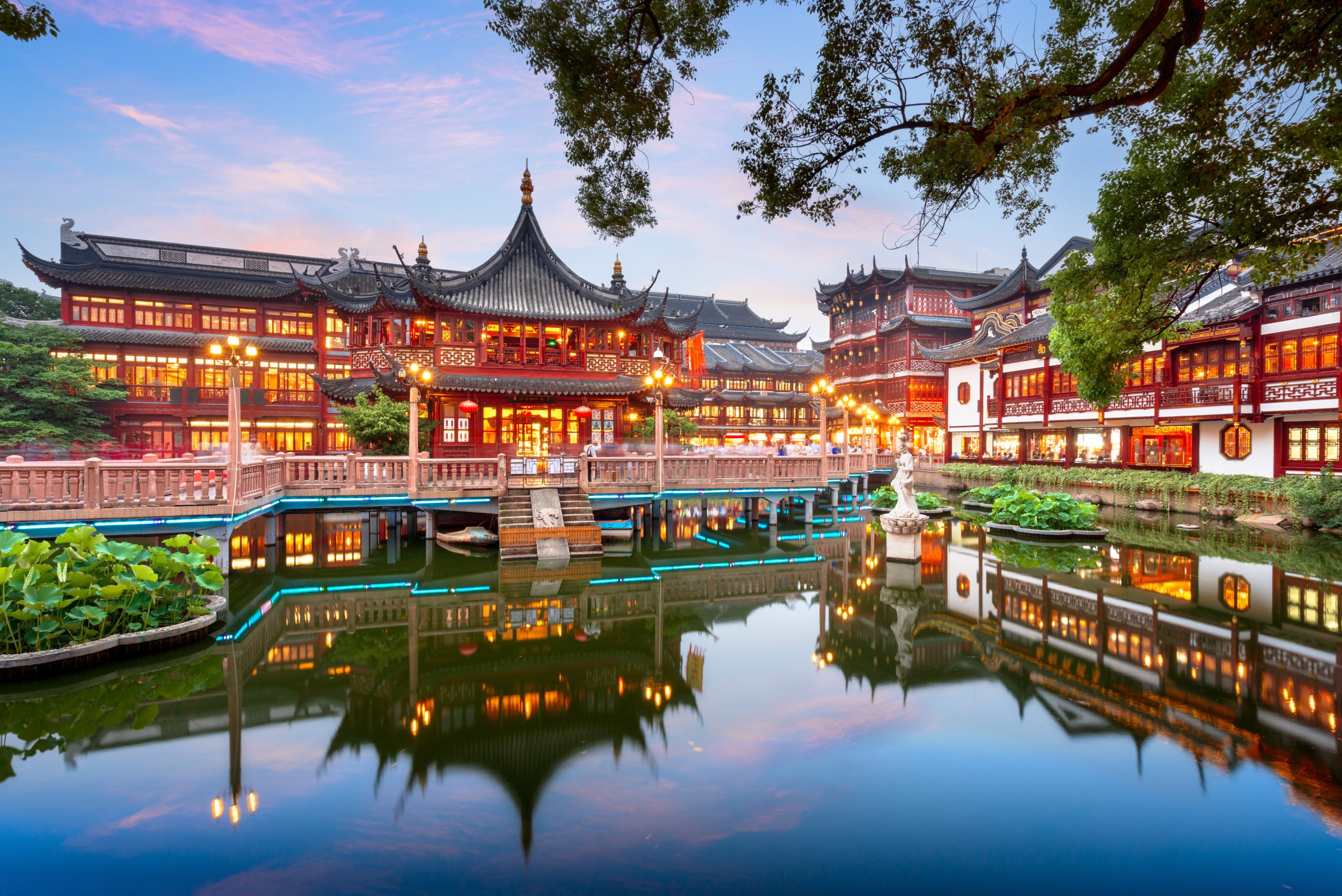
Explore the beautifully landscaped Yu Garden, a masterpiece of classical Chinese design dating back to the Ming Dynasty. Stroll through the adjacent Old City before visiting the iconic Bund, Shanghai’s famous waterfront promenade lined with grand European-era buildings overlooking the futuristic skyline of Pudong.
Day 10 – Depart Shanghai
After breakfast, enjoy a private transfer to Shanghai International Airport for your onward journey, taking with you unforgettable memories of China’s imperial heritage, vibrant cities, and the timeless beauty of the Yangtze River.